Best Hospital for Hernia Surgery in Chennai

Living with a hernia can slowly affect everyday comfort. Simple activities like walking, lifting objects, coughing, or even standing may become painful. At first, many people ignore the symptoms. However, delaying treatment can sometimes lead to complications that become difficult to manage.

Choosing the right doctor and treatment centre matters greatly when dealing with this condition. Patients often search for the best hospital for hernia surgery in Chennai, but the real decision goes beyond infrastructure alone. The expertise of the surgeon plays the biggest role in achieving successful results.

When it comes to advanced hernia care, DrKumar hernia surgeon at Billroth Hospitals, is trusted for his expertise, patient-focused approach, and advanced surgical techniques. From simple hernia repair to complex abdominal wall reconstruction, DrKumar hernia specialist, focuses on safe, effective, and minimally invasive treatment plans tailored to each patient.

At Billroth Hospitals, patients receive advanced surgical support while benefiting from the expertise of DrKumar, known for managing different forms of hernias with precision and personalised care.

Understanding Hernia And Why Timely Treatment Matters

A hernia develops when an internal organ or fatty tissue pushes through a weak area in the surrounding muscle or tissue wall. While some hernias begin as small swellings, they may gradually increase in size and cause discomfort.

Some common symptoms include:

  • A visible lump or swelling
  • Pain during coughing or lifting
  • Burning or aching sensation
  • Pressure in the abdomen or groin
  • Discomfort after prolonged standing

Although some hernias remain painless initially, they rarely disappear without medical treatment. In some cases, untreated hernias may become trapped or strangulated, causing severe pain and restricted blood supply.

This is why DrKumar hernia specialist, recommends early diagnosis and treatment whenever symptoms begin interfering with daily activities.

Why Do Patients Search for The Best Hospital for Hernia Surgery in Chennai?

Patients often feel overwhelmed while choosing treatment options. Chennai offers many healthcare facilities, yet patients usually look for three important things:

  • An experienced hernia specialist
  • Advanced surgical technology
  • Personalised patient care

The success of hernia surgery depends heavily on surgical expertise. Even with advanced facilities, outcomes largely rely on the surgeon’s understanding of abdominal wall anatomy, mesh placement, recurrence prevention, and minimally invasive techniques. This is where DrKumar hernia surgeon, stands apart.

Patients seeking the best hernia surgeon in Chennai often choose treatment under him because of his experience in treating both routine and complicated hernia cases.

At Billroth Hospitals, the focus remains on supporting DrKumar hernia specialist, with advanced operating systems and specialised surgical assistance.

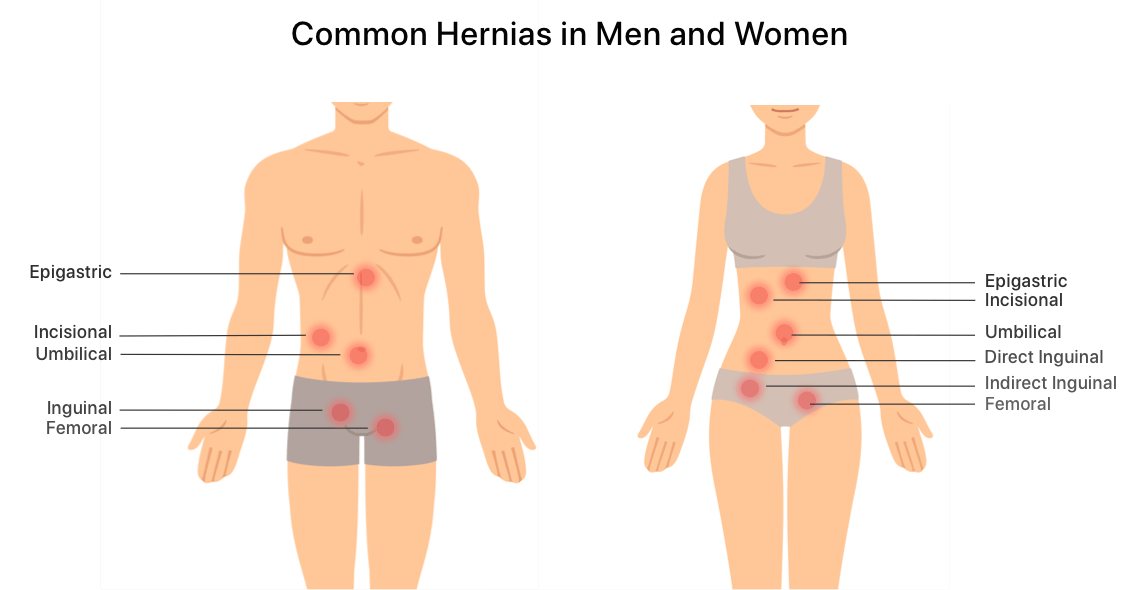
Types of Hernias Treated by DrKumar, Hernia Surgeon

Different hernias require different treatment methods. Choosing the right surgical technique depends on the location, severity, recurrence history, and overall patient health.

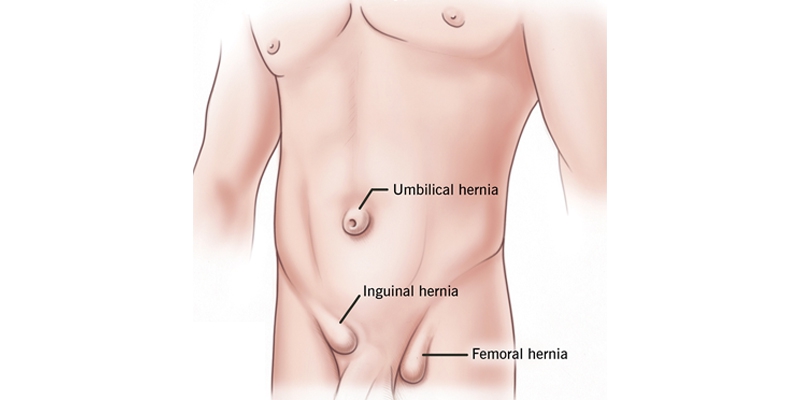
Inguinal Hernia

This remains one of the most common hernia types, especially in men. It happens when tissue pushes through the groin muscles.

Patients often notice:

  • Groin swelling
  • Pain during movement
  • Heaviness in the lower abdomen

DrKumar hernia doctor, carefully evaluates whether laparoscopic or robotic repair offers the best results.

Umbilical Hernia

This develops near the belly button and affects both adults and children. While smaller hernias may remain painless initially, larger ones can become uncomfortable over time.

DrKumar hernia specialis,t uses minimally invasive methods whenever suitable for faster recovery.

Incisional Hernia

This occurs after previous abdominal surgery. Weakness at the surgical scar may create openings through which tissue protrudes.

These hernias can become large and complex. Many patients with failed prior repairs seek treatment from DrKumar hernia surgeon, because of his expertise in advanced abdominal wall reconstruction.

Femoral Hernia

Though less common, femoral hernias require careful evaluation because of their higher risk of complications.

Ventral Hernia

This occurs in weakened abdominal wall areas and may vary greatly in size.

Treatment plans by DrKumar hernia specialist, depend on imaging results, symptoms, and long-term recovery goals.

Why Does Expertise Matter More Than Infrastructure Alone?

Many patients assume hospital size determines surgical quality. However, experienced surgical decision-making often matters far more.

A skilled hernia surgeon understands:

  • Proper mesh positioning
  • Hernia defect closure methods
  • Tissue preservation techniques
  • Recurrence prevention strategies
  • Pain reduction approaches

This is why patients searching for the best hospital for hernia surgery in Chennai increasingly prioritise surgeon expertise.

At Billroth Hospitals, patients benefit from advanced facilities while receiving treatment under DrKumar hernia specialist, who focuses on precision-driven hernia repair.

Advanced Hernia Surgery Techniques Used by DrKumar, Hernia Specialist

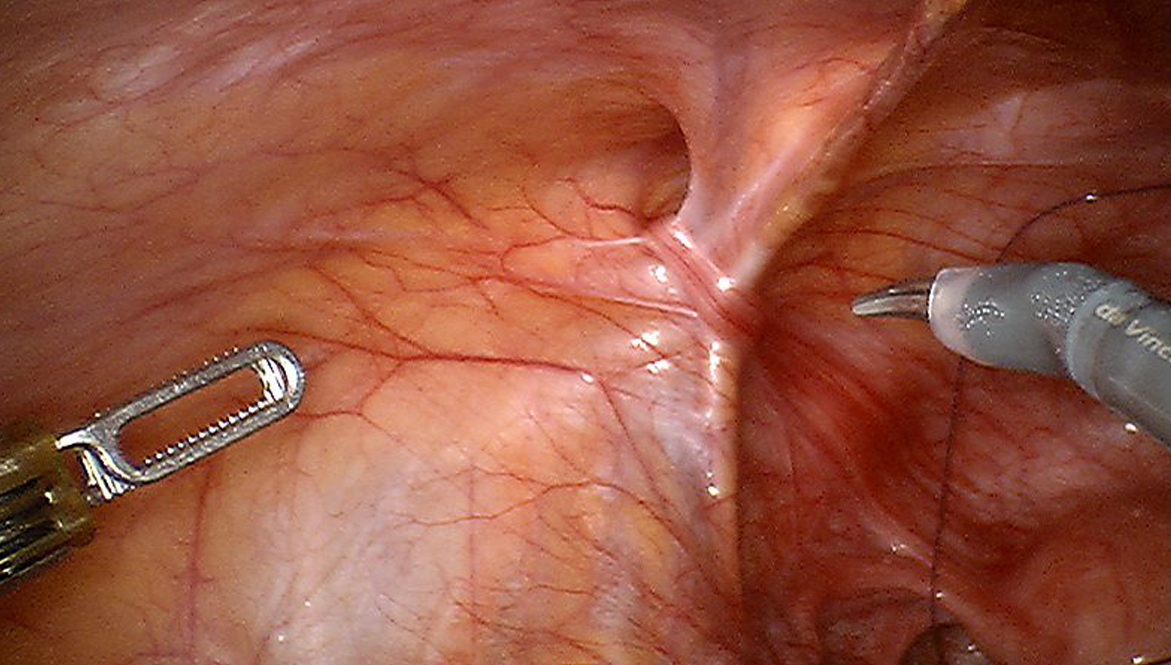
Modern hernia surgery has changed significantly over the years. Traditional open surgery is no longer the only option. Today, DrKumar hernia surgeon, uses advanced minimally invasive approaches whenever suitable.

Laparoscopic Hernia Surgery

Laparoscopic surgery involves small incisions and specialised instruments. Compared to conventional methods, this technique often leads to:

  • Smaller scars
  • Faster recovery
  • Reduced postoperative discomfort
  • Shorter hospital stay

For suitable patients, DrKumar hernia docto,r recommends laparoscopic repair to improve recovery outcomes.

When Does DrKumar Use The eTEP Technique?

The Enhanced View Totally Extraperitoneal repair, known as eTEP, has transformed modern hernia surgery. When does DrKumar hernia surgeon, use the eTEP technique?

This approach is often considered for:

  • Ventral hernias
  • Incisional hernias
  • Complex abdominal wall defects
  • Recurrent hernias

The technique allows mesh placement in a more natural anatomical plane while reducing internal complications.

Patients with complex cases often consult DrKumar hernia specialis,t because of his expertise in selecting suitable advanced techniques rather than using one standard approach for every patient.

Robotic Hernia Surgery And Advanced Repair

Robotic surgery offers improved precision in selected hernia cases. When does DrKumar hernia specialist, recommend robotic hernia surgery?

This approach may benefit:

  • Complex hernia repairs
  • Recurrent hernias
  • Obese patients
  • Patients requiring abdominal wall reconstruction

Robotic-assisted surgery allows better visualisation and greater surgical precision.

However, DrKumar hernia surgeon, carefully evaluates each case before recommending robotic repair because not every patient requires the same approach.

When Does DrKumar Recommend Abdominal Wall Reconstruction (AWR)?

Large or recurrent hernias sometimes weaken the abdominal wall significantly. In such situations, simple mesh placement may not be enough.

So, when does DrKumar hernia specialist, recommend abdominal wall reconstruction?

AWR may become necessary when patients experience:

  • Large ventral hernias
  • Multiple failed surgeries
  • Muscle separation
  • Complex abdominal wall defects

The aim is not simply to repair the hernia but to rebuild abdominal wall strength and function.

Patients looking for advanced hernia treatment in Chennai often consult DrKumar hernia doctor, for these specialised procedures.

Signs You Should Consult A Hernia Specialist in Chennai

Many patients postpone consultation because symptoms appear manageable. However, delaying treatment can increase complications. So, consult DrKumar hernia specialist, if you notice:

  • Persistent swelling
  • Increasing pain
  • Difficulty standing for long periods
  • Hernia enlargement
  • Nausea with severe pain
  • Redness around the swelling

Early intervention often results in simpler procedures and smoother recovery.

What Makes DrKumar Hernia Surgeon A Preferred Choice?

Patients often seek confidence before surgery. They want clarity, trust, and reassurance. Several factors make DrKumar hernia specialist, a preferred choice:

Expertise in Complex Hernia Cases

From routine hernias to advanced abdominal wall reconstruction, DrKumar hernia surgeon, manages varying complexities with customised planning.

Focus on Minimally Invasive Techniques

Whenever suitable, DrKumar hernia doctor, prioritises laparoscopic and robotic approaches for reduced discomfort and quicker healing.

Personalised Surgical Planning

No two hernia patients experience identical conditions. Therefore, treatment planning always depends on:

  • Hernia type
  • Size of defect
  • Previous surgeries
  • Medical history
  • Lifestyle requirements

Strong Patient Communication

Understanding surgery reduces anxiety. Patients receive clear explanations regarding procedure options, expected recovery, and postoperative care.

Recovery after Hernia Surgery

Recovery differs depending on surgical type and overall health.

Patients undergoing minimally invasive surgery often recover faster than those undergoing conventional open procedures. Still, DrKumar hernia specialist, recommends following proper postoperative instructions.

Patients are generally advised to:

  • Avoid heavy lifting initially
  • Walk regularly for circulation
  • Follow medication guidance
  • Attend scheduled follow-ups
  • Avoid unnecessary abdominal strain

Recovery becomes smoother when patients closely follow medical advice.

Choosing The Best Hernia Surgeon in Chennai Matters

When choosing treatment for a hernia, the surgeon’s expertise should remain the highest priority. Successful outcomes depend on proper diagnosis, precise surgical planning, and advanced repair techniques.

Patients searching for the best hospital for hernia surgery in Chennai often find reassurance in receiving treatment under DrKumar hernia surgeon at Billroth Hospitals. Rather than focusing only on hospital infrastructure, choosing a trusted specialist ensures better decision-making throughout treatment.

Whether dealing with an inguinal hernia, ventral hernia, recurrent hernia, or complex abdominal wall defect, DrKumar hernia specialis,t provides patient-centred care with advanced surgical expertise.

Frequently Asked Questions

Who is the best hernia surgeon in Chennai?

Patients often choose DrKumar hernia surge, on for advanced hernia treatment, minimally invasive procedures, and
complex abdominal wall reconstruction.

What is the recovery time after hernia surgery?

Recovery varies by surgical type and patient health. Many minimally invasive procedures allow faster recovery.

Does every hernia require surgery?

Most hernias do not heal naturally. DrKumar hernia specialist, evaluates whether surgery is immediately necessary.

Is laparoscopic hernia surgery better than open surgery?

The ideal approach depends on the patient’s condition. DrKumar hernia doctor, recommends the most suitable option
after evaluation.

When should someone see a hernia specialist in Chennai?

Persistent swelling, pain, increasing lump size, or discomfort during movement should not be ignored.
What is an Incisional hernia?

An incisional hernia is a bulge that develops near or through the scar of a previous abdominal surgery. It can appear a few months after surgery, or it may show up many years later. For many patients, the first sign is a swelling near an old surgical cut that becomes more visible while coughing, standing, lifting, or straining.

Although the word hernia can sound frightening, an incisional hernia is a condition that can be treated effectively when diagnosed at the right time. The important step is to understand what is happening inside the abdominal wall and consult an experienced hernia surgeon before the swelling becomes larger or painful.

DrKumar, hernia surgeon at Billroth Hospitals, evaluates incisional hernias with a patient-focused approach. Instead of looking only at the visible bulge, DrKumar hernia specialist studies the size of the defect, the strength of the abdominal wall, previous surgery details, body weight, symptoms, and the risk of recurrence. This helps in choosing the right treatment plan for each patient.

Understanding Incisional Hernia in Simple Words

The abdominal wall is made of layers of muscle and tissue that protect the organs inside the abdomen. During abdominal surgery, these layers are cut and later closed. In most people, the wound heals strongly. In some patients, the healed area remains weak. Over time, pressure from inside the abdomen can push fat, intestine, or tissue through that weak area. This creates a visible or felt bulge called an incisional hernia.

This type of hernia is different from a naturally occurring hernia because it develops at the site of a previous surgical incision. It may happen after surgeries such as appendix surgery, gallbladder surgery, bowel surgery, caesarean section, hysterectomy, kidney surgery, liver surgery, or other abdominal operations.

DrKumar hernia surgeon often explains to patients that an incisional hernia is not just a skin swelling. It is a weakness in the deeper abdominal wall. That is why ignoring it or relying only on belts for a long time may not solve the actual problem.

Why Does an Incisional Hernia Occur?

An incisional hernia develops when the previous surgical wound does not heal with enough strength or becomes weak over time. Several factors can increase this risk.

A wound infection after the first surgery can affect healing and weaken the scar. Being overweight can increase pressure inside the abdomen and place stress on the surgical site. Chronic cough, constipation, repeated straining, heavy lifting, uncontrolled diabetes, smoking, poor nutrition, and multiple previous abdominal surgeries can also contribute.

Sometimes, the original surgery may have been an emergency procedure, where the tissues were already inflamed or infected. In such cases, healing may not be as strong as expected. Some patients also have naturally weaker tissue strength, which makes them more prone to hernias.

When DrKumar hernia specialist assesses a patient, he looks at these risk factors carefully. This matters because treating the hernia is not only about closing the gap. It is also about reducing the chance of the hernia coming back.

Common Symptoms of Incisional Hernia

The symptoms of incisional hernia can vary from person to person. Some patients notice only a small swelling. Others may feel pain, heaviness, pulling, or discomfort near the old surgical scar.

Common symptoms include:

A bulge near a previous surgery scar

Swelling that becomes more visible while coughing or standing

Pain or discomfort during lifting, bending, or walking

A dragging sensation in the abdomen

A feeling of pressure at the scar site

Increase in swelling over time

Occasional bloating or digestive discomfort

Some incisional hernias reduce or go back inside when the person lies down. Others remain outside and become harder to push back. If the hernia becomes painful, red, tense, or associated with vomiting, constipation, abdominal distension, or fever, it may need urgent medical attention.

DrKumar hernia surgeon advises patients not to wait until severe pain develops. Early evaluation often gives more treatment choices and may make surgery easier and safer.

Is Incisional Hernia Dangerous?

Many incisional hernias grow slowly and may not cause serious problems in the beginning. However, they can enlarge over time. A small weakness in the abdominal wall may become a bigger defect if the pressure inside the abdomen keeps acting on it.

The main concern is that a part of the intestine or tissue can get trapped in the hernia. This is called incarceration. If the blood supply to the trapped intestine is affected, it becomes strangulation, which is a surgical emergency.

Warning signs include sudden severe pain, vomiting, inability to pass stool or gas, swelling that cannot be pushed back, redness over the bulge, fever, or increasing abdominal bloating. These symptoms should not be ignored.

A planned consultation with DrKumar hernia specialist is always better than waiting for an emergency. Planned hernia repair allows better preparation, proper imaging if needed, fitness optimization, and a more controlled surgical approach.

How is Incisional Hernia Diagnosed?

In many cases, an incisional hernia can be diagnosed through clinical examination. DrKumar hernia surgeon may ask the patient to stand, cough, or gently strain to see how the bulge appears. The scar is examined, and the size and position of the hernia are assessed.

For larger, recurrent, complex, or unclear hernias, imaging may be advised. An ultrasound can help in simple cases. A CT scan may be useful when the defect is large, when there are multiple defects, or when abdominal wall reconstruction is being considered.

The purpose of diagnosis is not only to confirm that a hernia is present. It is also to understand the hernia properly. The surgeon needs to know the defect size, contents of the hernia, muscle condition, previous mesh if any, and whether the hernia is simple or complex.

This detailed planning is one reason patients consult DrKumar hernia specialist for incisional hernia treatment. A well-planned repair can improve comfort, abdominal wall function, and long-term results.

Can an Incisional Hernia Heal Without Surgery?

An incisional hernia does not usually heal on its own because it is a physical gap or weakness in the abdominal wall. Medicines may reduce pain or acidity if present, but they cannot close the hernia defect. A hernia belt may give temporary support in selected patients, but it does not repair the weakness.

In patients who are unfit for surgery or have major medical risks, non-surgical support may be used temporarily. Weight control, cough treatment, constipation management, and avoiding heavy lifting may help reduce symptoms. Still, these measures do not cure the hernia.

For most suitable patients, surgery is the definitive treatment. DrKumar hernia surgeon decides the timing and type of surgery based on the size of the hernia, symptoms, patient health, previous operations, and risk factors.

Treatment Options for Incisional Hernia

Incisional hernia surgery aims to return the protruding tissue to its proper place and strengthen the weak abdominal wall. In many cases, a surgical mesh is used to support the repair and reduce the risk of recurrence.

The main surgical approaches include open hernia repair, laparoscopic hernia repair, robotic hernia repair, and abdominal wall reconstruction for complex cases.

Open Incisional Hernia Repair

In open surgery, the surgeon makes an incision over or near the hernia, releases the hernia sac, places the contents back inside, and repairs the defect. Mesh may be placed in a suitable layer to strengthen the abdominal wall.

Open repair may be preferred for very large hernias, complex hernias, recurrent hernias, hernias with excess skin, or cases where previous surgeries have created dense adhesions.

DrKumar hernia specialist may recommend open repair when it offers better control, stronger reconstruction, or safer handling of complex tissue planes.

Laparoscopic Incisional Hernia Repair

Laparoscopic surgery uses small cuts and a camera to repair the hernia from inside the abdomen. It may cause less wound pain, smaller scars, and quicker recovery in selected cases.

This approach may be suitable for certain medium-sized hernias, especially when the abdominal wall condition allows safe mesh placement and fixation. However, not every incisional hernia is ideal for laparoscopy.

DrKumar hernia surgeon chooses laparoscopic repair only after assessing whether it is safe and appropriate for the patient.

Robotic Incisional Hernia Repair

Robotic hernia repair is an advanced minimally invasive option that allows precise suturing, better vision, and controlled movement inside the body. It can be useful in selected ventral and incisional hernias where layered repair is needed.

For some patients, robotic surgery may help close the defect properly and place the mesh in a preferred anatomical plane. This can reduce the need for large cuts in selected cases.

When DrKumar hernia specialist uses robotic repair, the decision is based on patient benefit rather than technology alone. The right method is always the one that offers safe repair, good strength, and lower recurrence risk.

Abdominal Wall Reconstruction

Some incisional hernias are large, recurrent, or complex. The abdominal muscles may be pulled apart, and simple closure may not be enough. In such cases, abdominal wall reconstruction may be needed.

This surgery aims to restore the structure and function of the abdominal wall. It may involve muscle release techniques, mesh reinforcement, and careful reconstruction of the midline.

DrKumar hernia surgeon may consider abdominal wall reconstruction for patients with large defects, multiple failed repairs, loss of abdominal domain, or significant abdominal wall weakness.

When Does DrKumar Use Advanced Techniques Like eTEP?

The eTEP technique, also known as extended totally extraperitoneal repair, is a modern approach used in selected hernia cases. It allows the surgeon to work in the abdominal wall layers without entering the main abdominal cavity in the same way as some other techniques.

When does DrKumar use the eTEP technique? DrKumar hernia specialist may consider eTEP when the hernia size, location, muscle condition, and patient anatomy are suitable. It can be useful in selected ventral or incisional hernias where the goal is to close the defect and place mesh in a well-supported plane.

However, eTEP is not for every patient. Some hernias need open repair, some need robotic repair, and some need abdominal wall reconstruction. DrKumar hernia surgeon focuses on choosing the right operation for the patient rather than using one technique for everyone.

What Happens if Incisional Hernia is Left Untreated?

A small incisional hernia may remain stable for some time, but many hernias gradually enlarge. As the defect grows, repair may become more difficult. Larger hernias can affect posture, confidence, daily movement, digestion, and quality of life.

Delaying treatment may also increase the risk of complications such as incarceration or obstruction. In emergency situations, the patient may not have enough time for proper fitness optimization, and the surgery may become more complex.

This is why DrKumar hernia specialist encourages early consultation. Even if surgery is not needed immediately, a proper assessment helps the patient understand the condition and plan the next step.

Recovery After Incisional Hernia Surgery

Recovery depends on the size of the hernia, type of surgery, patient health, and whether the repair was simple or complex. Some patients return to light activity within a few days, while larger repairs may need a longer recovery period.

Patients are usually advised to walk early, avoid heavy lifting, support the abdomen while coughing, manage constipation, eat a protein-rich diet, and attend follow-up visits. Weight control, diabetes control, and stopping smoking can support healing and reduce recurrence risk.

DrKumar hernia surgeon gives recovery guidance based on the actual repair performed. This personalized advice is important because recovery after a small laparoscopic repair is different from recovery after a large abdominal wall reconstruction.

Why Choose DrKumar Hernia Surgeon for Incisional Hernia Treatment?

Incisional hernia treatment needs planning, experience, and the right surgical judgment. The best repair is not always the most advanced-looking procedure. It is the procedure that suits the patient’s hernia, body condition, and long-term needs.

DrKumar hernia surgeon at Billroth Hospitals provides care for simple, large, recurrent, and complex incisional hernias. Patients are assessed carefully, and treatment options are explained in clear language. DrKumar hernia specialist focuses on safe repair, abdominal wall strength, symptom relief, cosmetic consideration where possible, and reducing recurrence risk.

For patients worried about a swelling near an old surgical scar, the first step is a consultation. Early diagnosis can prevent complications and help plan treatment at the right time.

FAQs on Incisional Hernia

What is the main cause of an incisional hernia?

The main cause is weakness at the site of a previous abdominal surgery scar. This weakness may happen due to poor wound healing, infection, obesity, coughing, constipation, heavy lifting, diabetes, smoking, or repeated abdominal surgeries.

Can an incisional hernia become serious?

Yes, it can become serious if intestine or tissue gets trapped inside the hernia. Sudden pain, vomiting, redness, fever, or swelling that cannot be pushed back should be treated as warning signs. DrKumar hernia surgeon recommends early evaluation before complications occur.

Is surgery always required for incisional hernia?

Most incisional hernias need surgery for a permanent repair because the abdominal wall defect does not close on its own. In some high-risk patients, temporary non-surgical support may be advised, but this does not cure the hernia.

Which surgery is best for incisional hernia?

There is no single best surgery for every patient. Open, laparoscopic, robotic, eTEP, or abdominal wall reconstruction may be chosen depending on the hernia size, location, previous surgeries, symptoms, and patient health. DrKumar hernia specialist selects the technique after proper evaluation.

Can an incisional hernia come back after surgery?

Yes, recurrence can happen, especially in large or complex hernias, poor tissue quality, obesity, smoking, uncontrolled diabetes, or infection. Proper surgical planning, mesh reinforcement when suitable, and good post-operative care can help reduce this risk.

What is the treatment/repair of Incisional Hernia & period of recovery?

An incisional hernia can be worrying, especially when it appears near the scar of a previous abdominal surgery. Many patients first notice a swelling, bulge, heaviness, or pulling sensation around an old operation site. Some people feel discomfort only while coughing, bending, standing for long hours, lifting weight, or passing stools. Others may not have pain at all, but the swelling keeps increasing slowly over time.

If you are dealing with these symptoms, it is important to meet an experienced hernia surgeon for a proper evaluation. Dr Kumar, hernia surgeon and hernia specialist at Billroth Hospitals, Chennai, regularly treats incisional hernias, recurrent hernias, complex abdominal wall hernias, and hernias that need advanced repair techniques. His approach is centred on identifying the size of the defect, the strength of the abdominal wall, the patient’s general health, and the safest way to give a durable repair.

Incisional hernia treatment is not the same for every patient. A small hernia in a healthy person may need a different plan compared to a large hernia after multiple abdominal surgeries. This is why Dr Kumar, hernia specialist, focuses on careful diagnosis before deciding between open repair, laparoscopic repair, robotic repair, mesh repair, component separation, TAR, eTEP, or abdominal wall reconstruction.

What Is an Incisional Hernia?

An incisional hernia develops at the site of a previous surgical cut in the abdomen. After surgery, the muscles and tissues of the abdominal wall need time to heal. In some patients, the area does not regain enough strength. A gap or weakness can form, allowing fat, intestine, or internal tissue to push outward. This creates a bulge near the old scar.

The hernia may appear a few months after surgery, but it can also develop years later. It may be seen after surgeries such as appendix surgery, gallbladder surgery, bowel surgery, caesarean section, hysterectomy, kidney surgery, liver surgery, or any other abdominal operation.

Dr Kumar, hernia surgeon, often explains to patients that an incisional hernia is not just a cosmetic swelling. It is a structural weakness in the abdominal wall. Once it forms, it usually does not close on its own in adults. In many cases, it slowly enlarges and becomes more difficult to repair if treatment is delayed for too long.

Common Symptoms of Incisional Hernia

The most common sign is a bulge near a previous surgery scar. The swelling may become more visible when standing, coughing, sneezing, straining, or lifting something heavy. It may reduce or disappear when lying down, especially in the early stages.

Patients may also experience:

  • A dragging or heavy feeling in the abdomen
  • Pain or discomfort around the scar
  • Burning or stretching sensation
  • Difficulty wearing tight clothing
  • Swelling that increases through the day
  • Digestive discomfort in some cases
  • Pain while coughing, exercising, or bending
  • A feeling that the abdominal wall is weak

Some patients ignore the hernia because the pain is mild. Dr Kumar, hernia specialist, advises that even a painless incisional hernia should be assessed. A hernia can enlarge, become harder to repair, or rarely become obstructed or strangulated. Sudden severe pain, vomiting, fever, redness over the swelling, inability to pass stools, or a bulge that cannot be pushed back are warning signs and need urgent medical attention.

Why Does an Incisional Hernia Occur?

An incisional hernia happens when the abdominal wall does not heal strongly after surgery. Several factors can increase the chance of developing it.

These include wound infection after the first surgery, obesity, diabetes, smoking, chronic cough, constipation, heavy lifting too early after surgery, poor nutrition, steroid use, multiple previous abdominal surgeries, emergency surgery, and increased pressure inside the abdomen. Pregnancy after abdominal surgery may also put stress on the scar area.

Dr Kumar, hernia surgeon, looks at these factors because they influence both treatment planning and recovery. For example, a patient with obesity or uncontrolled diabetes may need optimisation before surgery to reduce the risk of wound problems and recurrence. A good hernia repair is not only about closing the defect. It is also about preparing the patient properly.

How Is an Incisional Hernia Diagnosed?

Diagnosis usually begins with a physical examination. Dr Kumar, hernia specialist, examines the swelling while the patient is standing and lying down. The patient may be asked to cough or strain gently so the hernia defect can be assessed.

For small or simple hernias, clinical examination may be enough. For larger, recurrent, multiple, or complex hernias, imaging may be needed. An ultrasound or CT scan can help understand the size of the defect, the contents of the hernia, the condition of the muscles, and the best surgical approach.

CT scan is especially useful in complex incisional hernias, large ventral hernias, loss of domain hernias, and recurrent hernias. Dr Kumar, hernia surgeon, uses this information to decide whether the patient needs a standard mesh repair, minimally invasive repair, eTEP repair, TAR, component separation, or abdominal wall reconstruction.

Is Surgery Always Needed for Incisional Hernia?

In adults, an incisional hernia usually does not heal by medicines, belts, exercises, or home remedies. A belt may give temporary support in selected patients, but it does not repair the weakness. The definitive treatment is surgical repair.

That said, every patient does not need immediate surgery on the same day of diagnosis. Dr Kumar, hernia specialist, considers the patient’s symptoms, hernia size, age, occupation, medical condition, and risk of complications. Surgery is usually advised when the hernia is painful, enlarging, affecting daily life, cosmetically troubling, recurrent, or at risk of complications.

In some elderly or high-risk patients with very small, painless hernias, watchful waiting may be discussed. However, this decision should be made after proper evaluation by an experienced hernia surgeon like Dr Kumar.

Treatment Options for Incisional Hernia Repair

The treatment plan depends on the size and location of the hernia, the quality of the abdominal wall, previous surgeries, patient fitness, and whether the hernia is simple or complex.

1. Open Incisional Hernia Repair

Open repair is done through an incision over or near the hernia site. The hernia contents are placed back inside, the defect is repaired, and a mesh is usually placed to strengthen the abdominal wall.

Open surgery may be preferred for very large hernias, complex recurrent hernias, infected or scarred areas, hernias with excess skin, or cases where abdominal wall reconstruction is required. Dr Kumar, hernia surgeon, may recommend open repair when it gives better control and a stronger repair for that particular patient.

Recovery after open repair may take longer than laparoscopic surgery, but for some patients, it is the safest and most reliable option.

2. Laparoscopic Incisional Hernia Repair

Laparoscopic hernia repair is done through small cuts using a camera and specialised instruments. The hernia is repaired from inside the abdomen, and mesh is placed to reinforce the defect.

This approach may offer less wound pain, smaller scars, shorter hospital stay, and earlier return to routine activity in suitable patients. Dr Kumar, laparoscopic hernia surgeon, may choose this method for selected incisional hernias where the size, location, and patient factors are favourable.

Not every incisional hernia is suitable for laparoscopic repair. Large defects, dense adhesions, multiple previous surgeries, or complex muscle separation may need another approach.

3. Robotic Incisional Hernia Repair

Robotic surgery is a form of minimally invasive surgery that allows precise movement, better visualisation, and fine suturing in selected hernia repairs. It can be useful in certain ventral and incisional hernias where advanced reconstruction is needed through smaller cuts.

Dr Kumar, hernia specialist, evaluates whether robotic repair adds real benefit for the patient. The goal is not to choose a technique because it sounds modern. The goal is to choose the safest and strongest repair for that individual hernia.

4. Mesh Repair

Most incisional hernia repairs need mesh reinforcement. Mesh acts like a support layer that strengthens the weak abdominal wall and reduces the chance of recurrence compared to simple stitching in many cases.

The mesh may be placed in different positions, such as onlay, sublay, retrorectus, preperitoneal, or intraperitoneal, depending on the surgical plan. Dr Kumar, hernia surgeon, decides the mesh type and position based on the hernia defect, tissue quality, contamination risk, and long-term durability.

Patients often worry about mesh. In experienced hands, mesh is a common and important part of modern hernia surgery. The choice of mesh, correct placement, adequate overlap, and proper fixation are all important for a good outcome.

5. eTEP Repair

eTEP stands for extended totally extraperitoneal repair. It is an advanced minimally invasive technique used in selected ventral and incisional hernias. In this approach, the surgeon works in a natural plane of the abdominal wall and places mesh outside the abdominal cavity.

When does Dr Kumar use the eTEP technique? Dr Kumar, hernia specialist, may consider eTEP when the hernia size, location, muscle condition, and patient anatomy are suitable. It can be useful for selected midline ventral and incisional hernias, especially when a strong repair is needed while avoiding mesh placement inside the abdominal cavity.

eTEP is a specialised technique and should be done by a hernia surgeon trained in advanced abdominal wall repair.

6. TAR, Component Separation, and Abdominal Wall Reconstruction

Large incisional hernias, recurrent hernias, and loss of domain hernias may need more than simple closure. In such cases, the abdominal muscles may need to be released and repositioned so the abdominal wall can be reconstructed without too much tension.

TAR, or transversus abdominis release, is one advanced method used in complex abdominal wall reconstruction. Component separation is another technique that helps bring the muscles back toward the centre.

Dr Kumar, complex hernia surgeon, has experience in managing recurrent and complicated hernias that may require these advanced techniques. These operations need careful planning, patient optimisation, and a clear recovery plan.

What Is the Recovery Period After Incisional Hernia Repair?

Recovery varies from patient to patient. It depends on the size of the hernia, type of surgery, mesh placement, whether the repair was open or minimally invasive, and the patient’s overall health.

For selected laparoscopic or robotic incisional hernia repairs, hospital stay may be shorter, and many patients start walking on the same day or the next day. Light daily activities may resume within a few days, depending on pain and comfort. Return to desk work may happen within one to two weeks for some patients.

For open repair or complex abdominal wall reconstruction, recovery may take longer. Hospital stay can be a few days, and return to routine work may take several weeks. Heavy lifting, gym workouts, abdominal exercises, and strenuous activity are usually restricted for a longer period.

Dr Kumar, hernia surgeon, gives personalised recovery instructions because two patients with incisional hernia may need very different timelines. A small laparoscopic repair and a large recurrent hernia reconstruction cannot be compared.

What Can Patients Do for Better Recovery?

Good recovery begins before surgery. Dr Kumar, hernia specialist, often advises patients to control diabetes, reduce weight when needed, stop smoking, treat chronic cough, manage constipation, and improve nutrition before surgery.

After surgery, patients should walk early as advised, take medicines correctly, support the abdomen while coughing, avoid sudden strain, keep the wound clean, attend follow-up visits, and avoid heavy lifting until cleared.

It is also important not to rush recovery. Pain may reduce quickly, but the deeper abdominal wall needs time to heal. Following the surgeon’s instructions helps reduce the risk of recurrence.

When Should You Meet Dr Kumar for Incisional Hernia?

You should consult Dr Kumar, hernia surgeon and hernia specialist, if you notice a swelling near a previous abdominal surgery scar, pain around an old incision, a bulge that increases when coughing, a hernia that is getting larger, or a previous hernia repair that has failed.

You should seek urgent help if the swelling becomes very painful, hard, red, irreducible, or is associated with vomiting, fever, abdominal distension, or inability to pass stools.

Dr Kumar at Billroth Hospitals, Chennai, provides evaluation and treatment for simple, recurrent, complicated, and complex incisional hernias. His focus is on safe repair, proper mesh placement, advanced techniques when required, and a recovery plan that matches the patient’s life and health condition.

Final Thoughts

Incisional hernia repair is not just about closing a bulge. It is about restoring the strength and function of the abdominal wall. The right treatment depends on the hernia size, patient health, previous surgeries, and the surgeon’s experience with both routine and advanced hernia techniques.

Dr Kumar, hernia surgeon, offers personalised treatment for incisional hernia using open, laparoscopic, robotic, eTEP, TAR, component separation, mesh repair, and abdominal wall reconstruction when needed. If you have a swelling near an old surgery scar, early consultation can help prevent the hernia from becoming larger or more complicated.

FAQs on Incisional Hernia Treatment and Recovery

Can an incisional hernia heal without surgery?

In adults, an incisional hernia usually does not close on its own. A belt or abdominal support may reduce
discomfort temporarily, but it does not repair the defect. Surgery is the definitive treatment in most patients.
Dr Kumar, hernia specialist, can assess whether surgery is needed immediately or can be planned after medical
optimisation.

Is mesh always required for incisional hernia repair?

Most incisional hernias need mesh reinforcement because the abdominal wall has already become weak. Mesh helps
strengthen the repair and reduce recurrence risk. The type and position of mesh depend on the hernia and patient
factors. Dr Kumar, hernia surgeon, decides this after clinical examination and imaging when needed.

Which is better for incisional hernia, open surgery or laparoscopic surgery?

There is no single best method for every patient. Laparoscopic repair may be suitable for selected hernias and can
offer smaller cuts and faster recovery. Open repair may be better for large, complex, recurrent, or difficult
hernias. Dr Kumar, laparoscopic hernia surgeon, chooses the approach based on safety, durability, and the
patient’s condition.

How soon can I return to work after incisional hernia surgery?

Patients with smaller hernias repaired laparoscopically may return to light work within one to two weeks,
depending on comfort. Patients who undergo open repair or complex abdominal wall reconstruction may need several
weeks. Heavy lifting should be avoided until Dr Kumar, hernia specialist, confirms that healing is strong enough.

Can an incisional hernia come back after surgery?

Yes, recurrence is possible, especially in large hernias, recurrent hernias, obesity, uncontrolled diabetes,
smoking, chronic cough, poor tissue quality, or early heavy lifting after surgery. A proper surgical plan, correct
mesh placement, patient optimisation, and careful recovery reduce this risk. This is why choosing an experienced
hernia surgeon like Dr Kumar is important.

Call Now Button